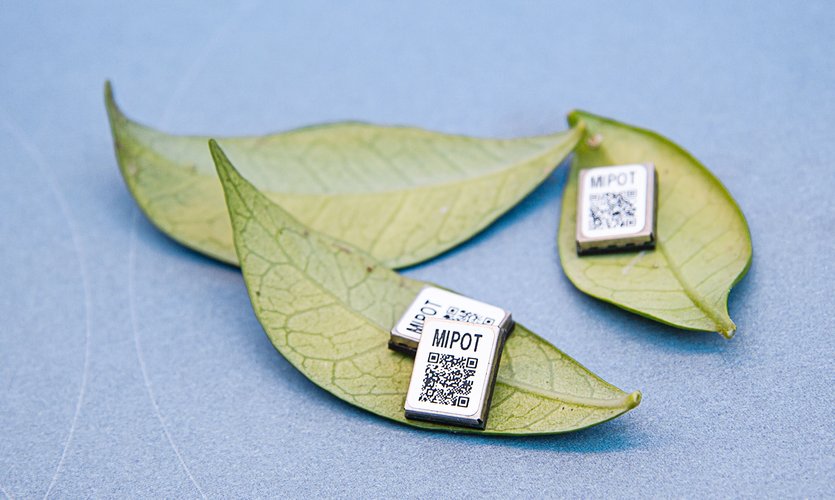
MiP Series
32001505GEU
The 32001505GEU is a Multi-Protocol Wireless communication module operating in the 868 MHz Band optimized for long range, low power applications, suitable for LPWA networks. It combines in one module the two most popular LPWAN stacks: LoRaWAN and Wireless M-bus.
Highlights
- Frequency: 868 MHz
- Dimensions: 11.3 x 8.9 x 2.5 mm
- Countries: Europe
- Protocols: LoRaWAN, wM-BUS
- Certifications: EU
- Micro: ARM Cortex M4 and ARM Cortex M0+

Overview
Thanks to its small LGA form factor (11.3 mm x 8.9 mm) and its low current consumption, this module allows the implementation of highly integrated low power solutions for Internet of Things (IoT) applications, security systems, sensor networks, smart buildings, agriculture, and especially suitable for smart metering applications.
The 32001505GEU contains the wM-bus and the LoRaWAN stack all in the same module allowing to switch between them at runtime.
Main highlights:
✓ Extremely compact dimensions (1 cm²)
✓ LGA pattern
RF performances:
✓ -135 dBm sensitivity @LoRa
✓ -115 dBm sensitivity @FSK
✓ +14 dBm Output power
Low power characteristics:
✓ power down current consumption 2.2 μA
✓ 11 mA in RX mode
Protocol and interfaces:
✓ LoRaWAN™ version 1.0.4
✓ Wireless M-bus
✓ Smart peripheral interfaces selector (UART, LPUART, SPI, I²C)
3200150X Datasheet
Manufacturing Process - Application Note
3200150xGxx Command Reference
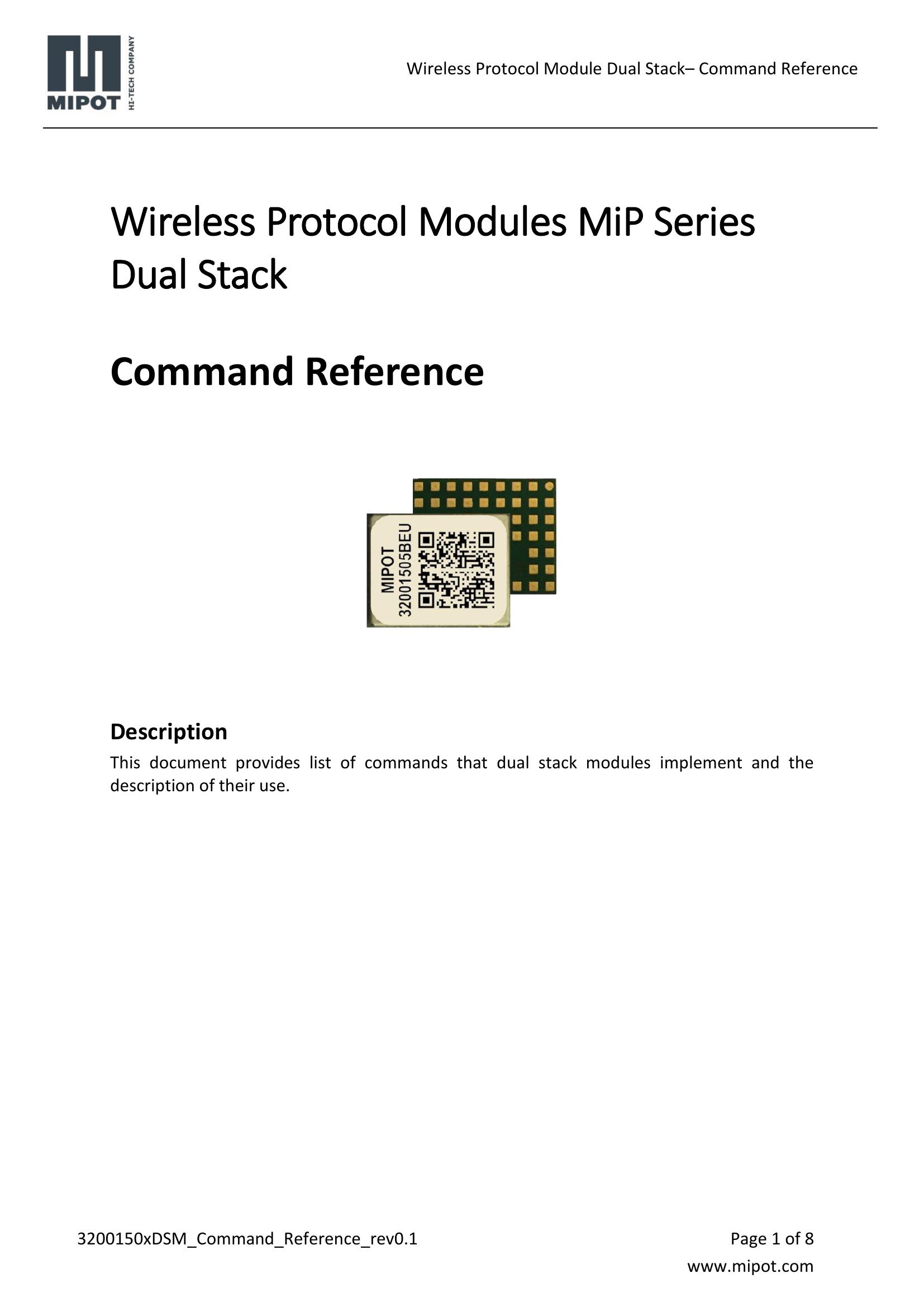
3200150xDSM Command Reference
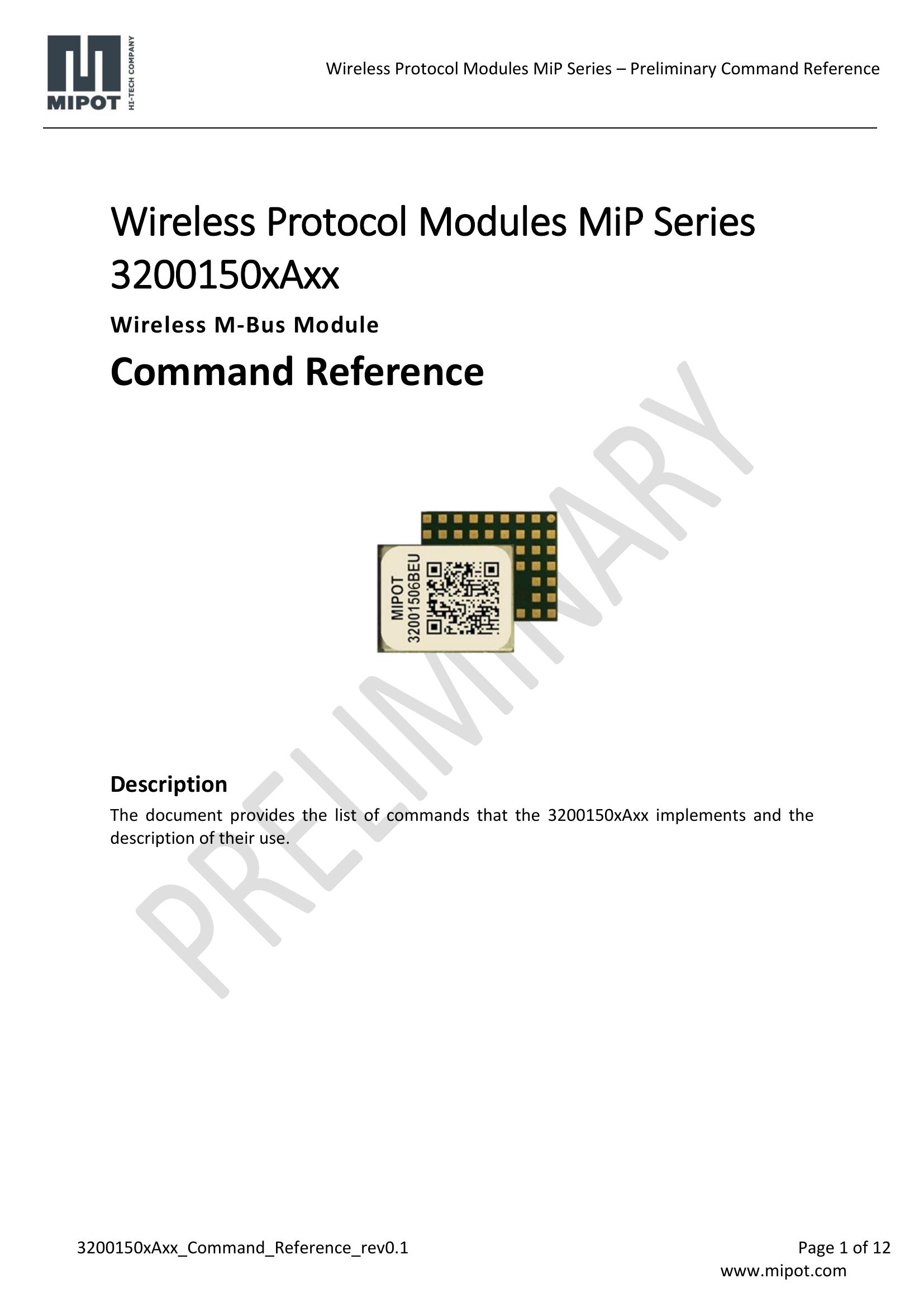
wMBus Command Reference
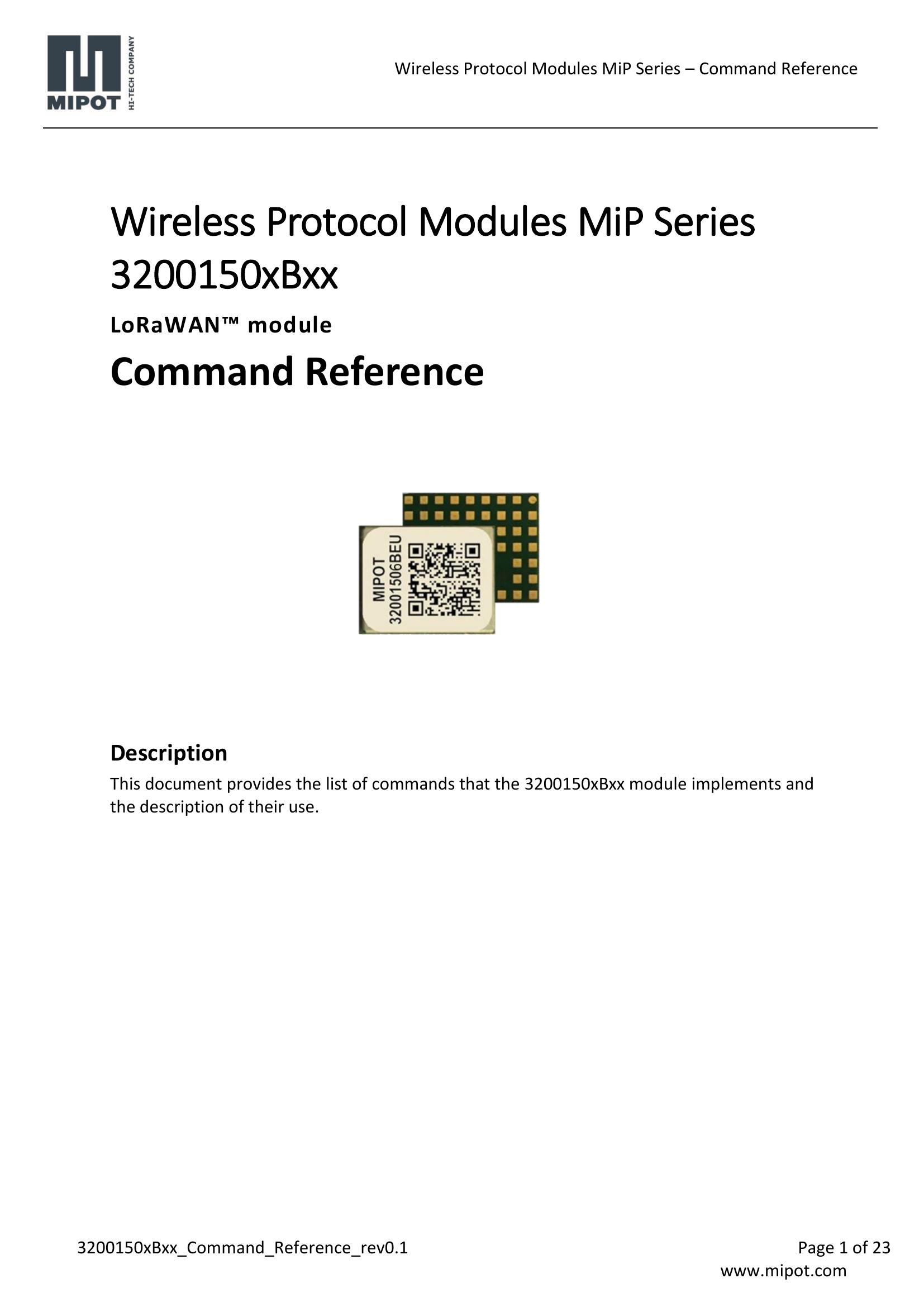
3200150xBxx Command Reference
User Guide - How to set up the wM-BUS module to work with the demo GUI
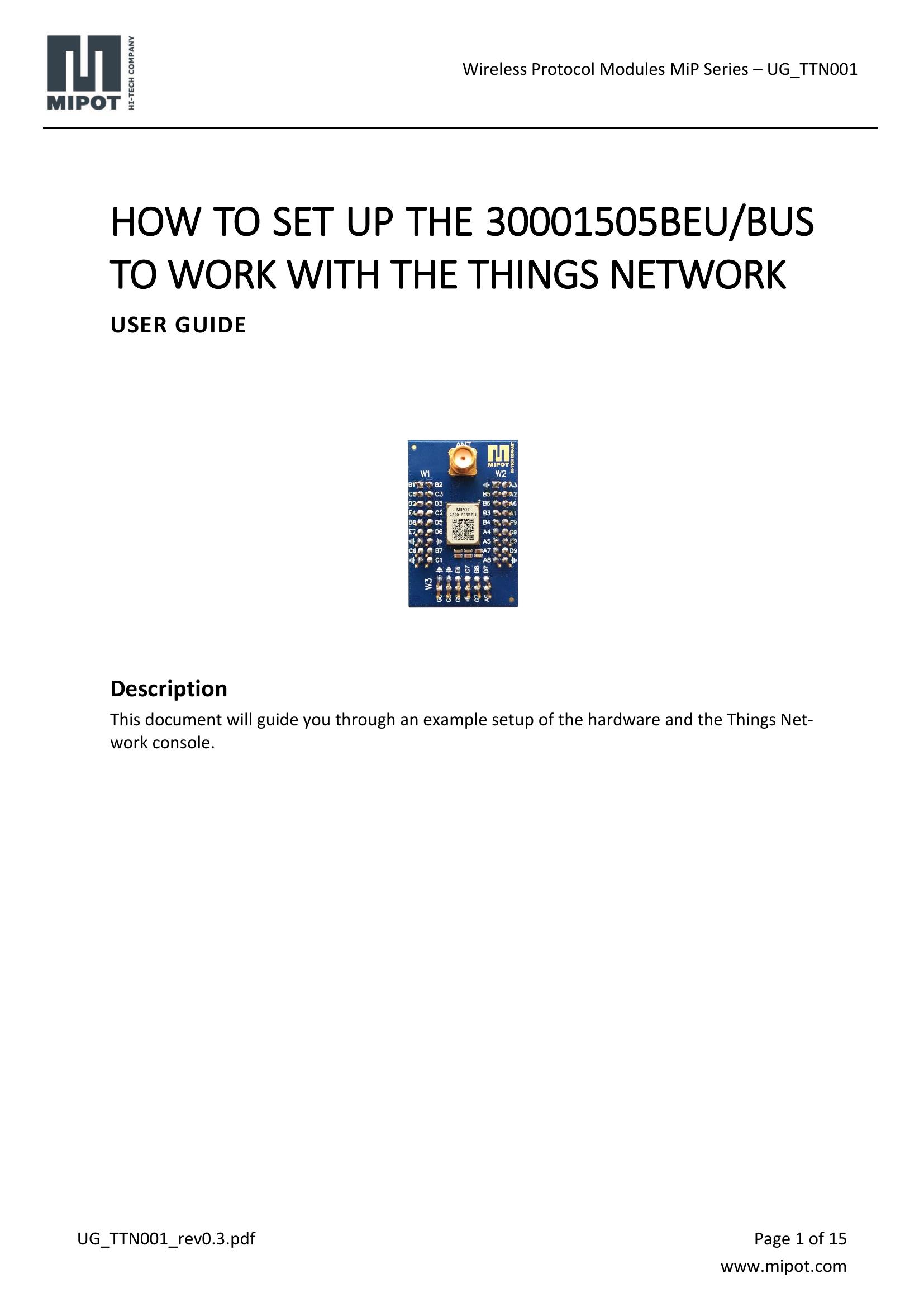
User Guide - How to Join with "The Things Network"
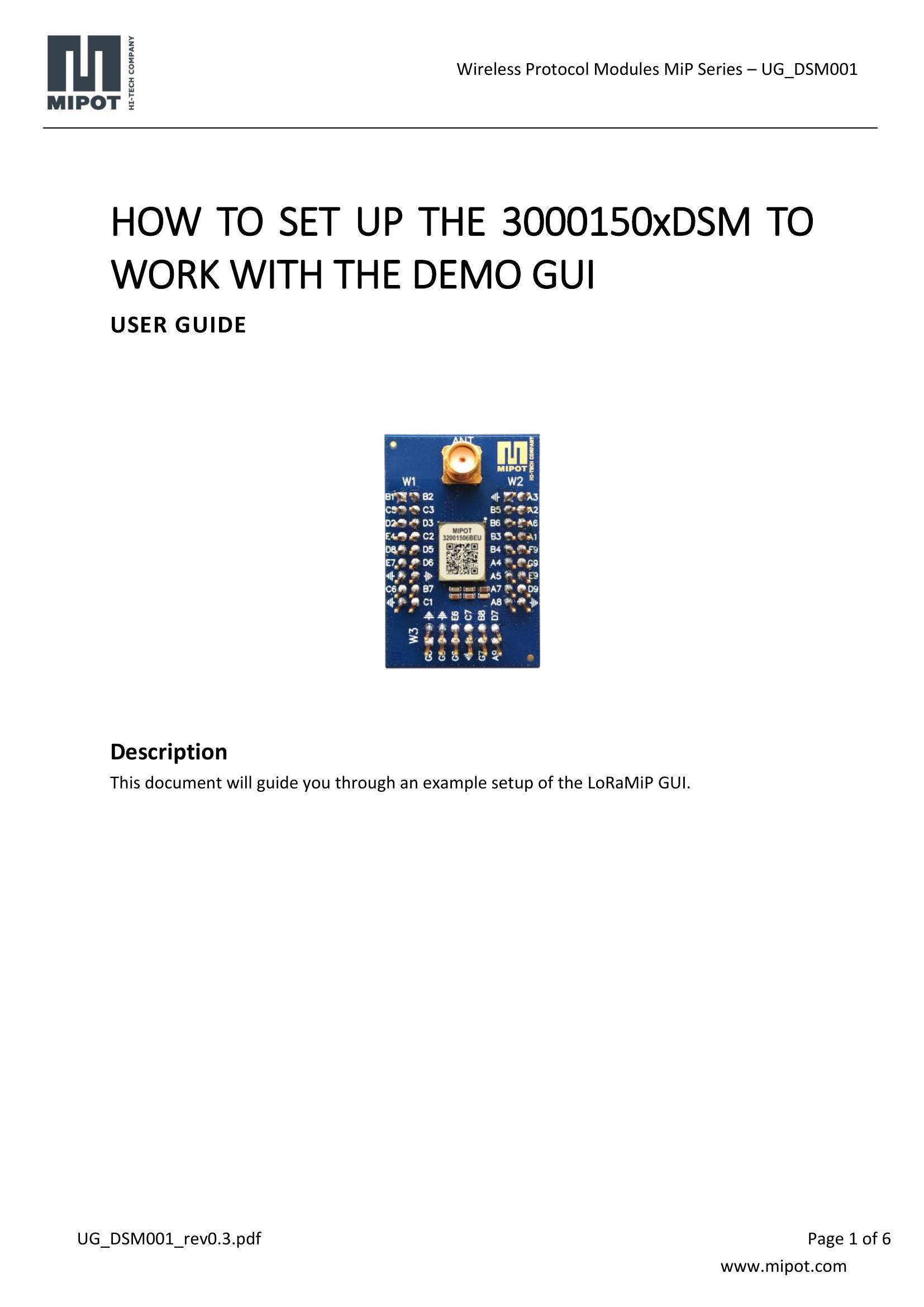
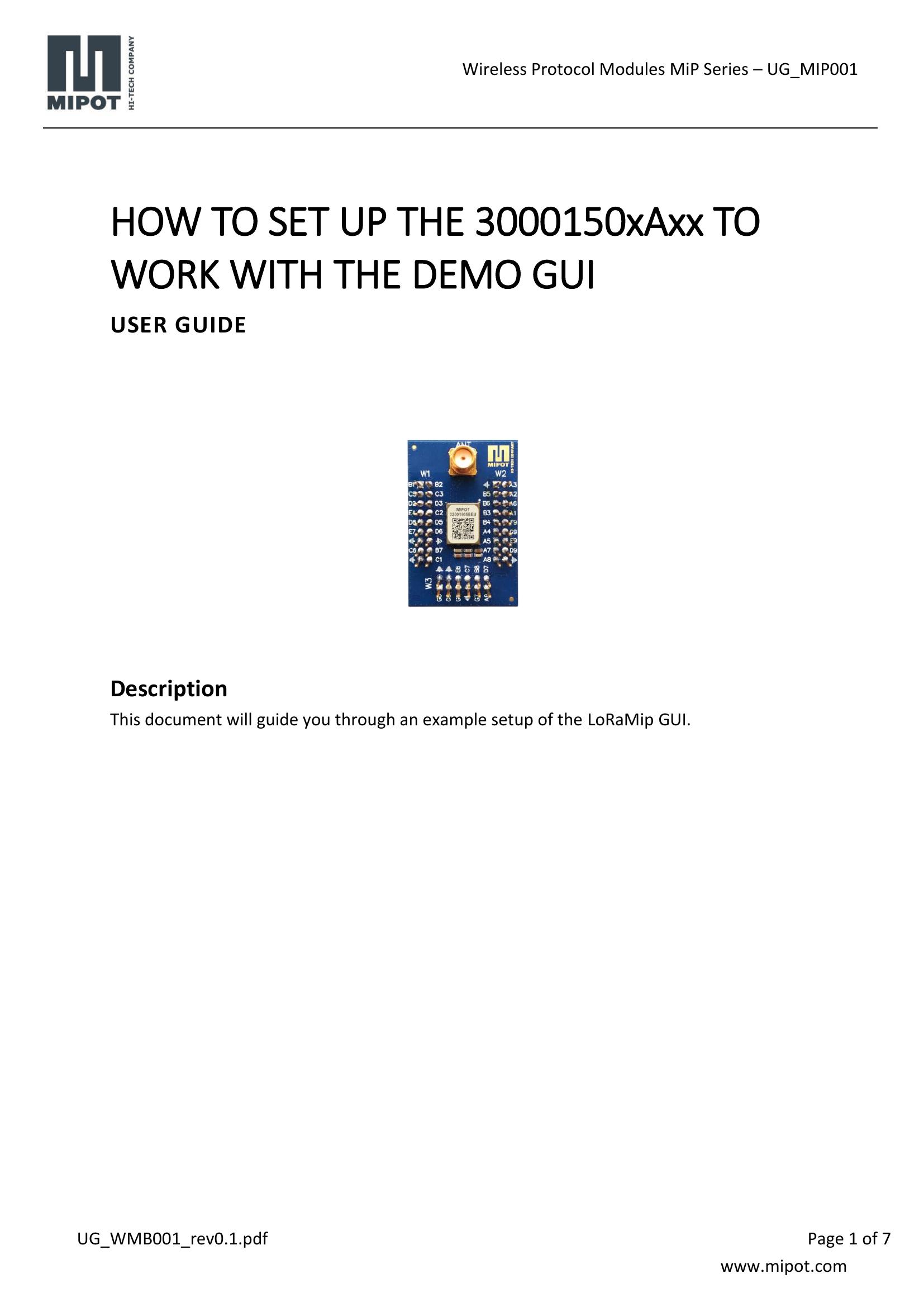
User Guide - How to set up the 3000150xDSM to work with the demo GUI
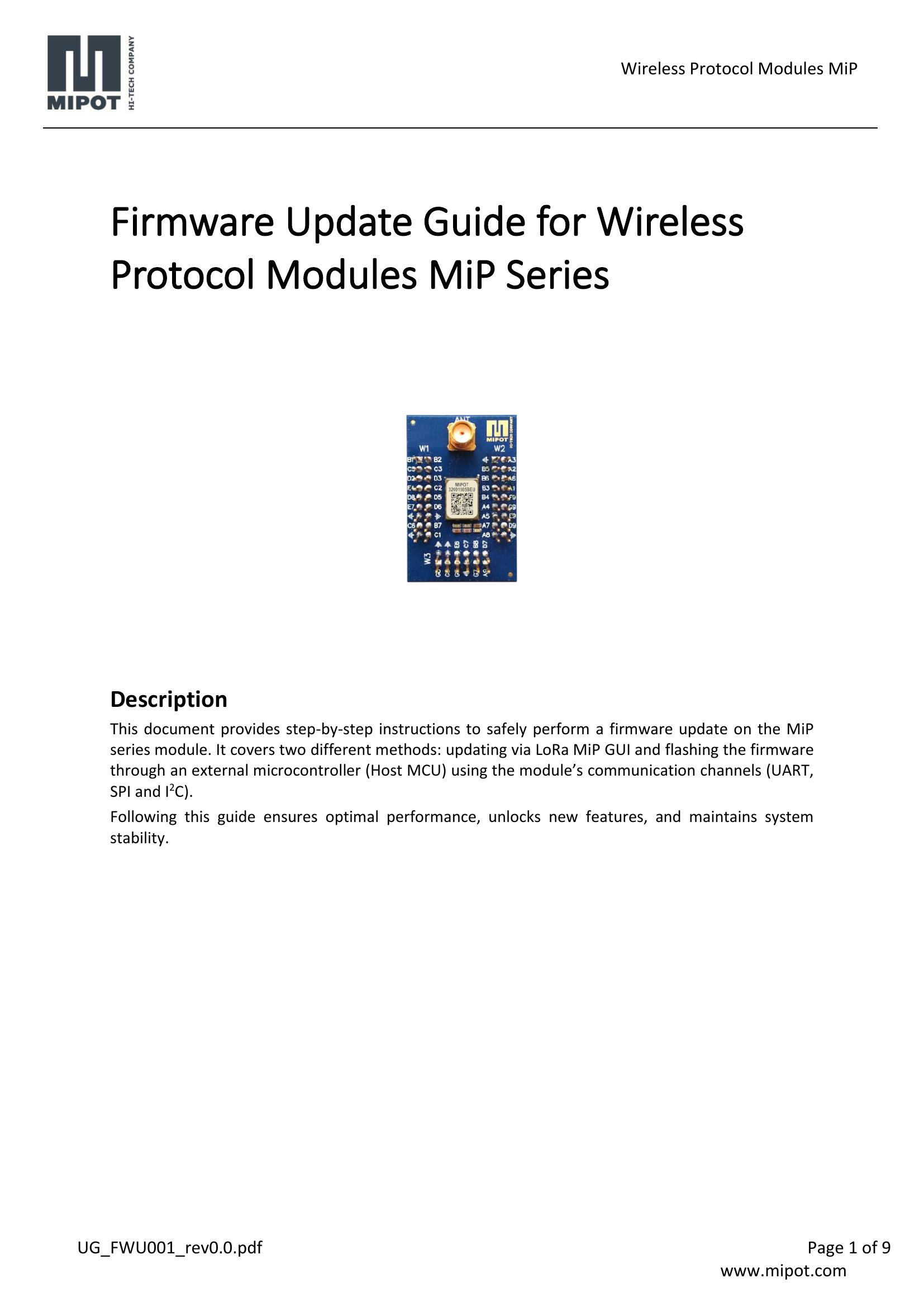
User Guide - Firmware Update for Wireless Protocol Modules
GUI LoRaMiP-2.1.24-net10.0-x64
GUI LoRaMiP-2.1.24-net10.0-x86
Altium Library for MiP Series
Applications
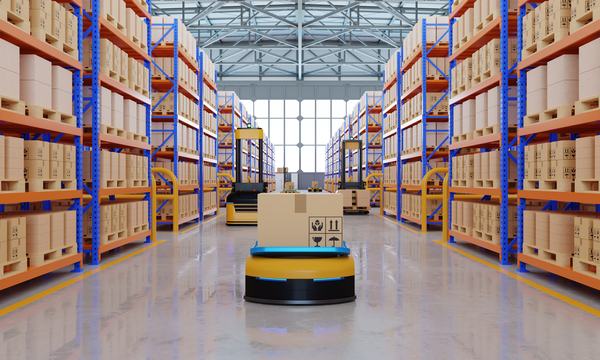
Smart Logitics
Smart logistics is the process of adopting new technologies in all operations carried out inside and outside the warehouse, from the receipt of goods at the loading docks to their distribution and delivery to the end customer as per the agreed upon conditions. In other words, this concept involves the implementation of smart devices to automate logistics operations.
Smart logistics aims to increase process control, optimize warehouse throughput, and minimize operating costs in the facility through the use of interconnected devices (IoT) and the collection of all the data produced in it.
Analysis of these data provides logistics managers with comprehensive information on what is happening in the warehouse before making a decision.
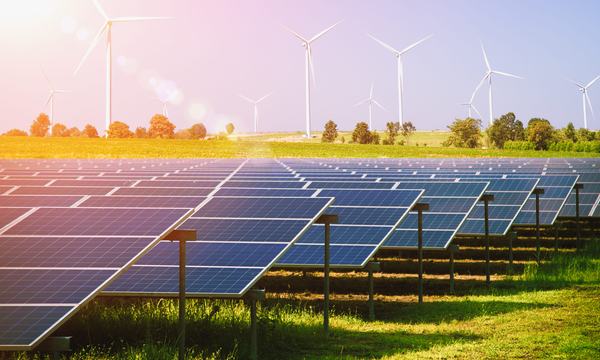
Smart Renewable Energy System
A smart energy management system (SEMS) enables the effective utilization of available energy resources and thus results in energy-efficient operation of a smart grid
Smart grid technology is enabling the effective management and distribution of renewable energy sources such as solar, wind, and hydrogen.
The smart grid connects a variety of distributed energy resource assets to the power grid.
By leveraging the Internet of Things (IoT) to collect data on the smart grid, utilities are able to quickly detect and resolve service issues through continuous self-assessments. Because utilities no longer have to depend on customers to report outages, this self-healing capability is vital component of the smart grid.
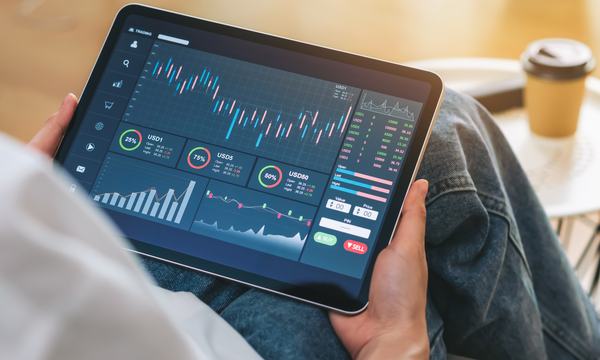
Smart Asset Management in the utility market
Smart Asset management (or asset tracking) is the process of keeping track of your company's physical assets and their information. Depending on your business, physical assets can mean different kinds of equipment, IT devices, tools or vehicles, for example.
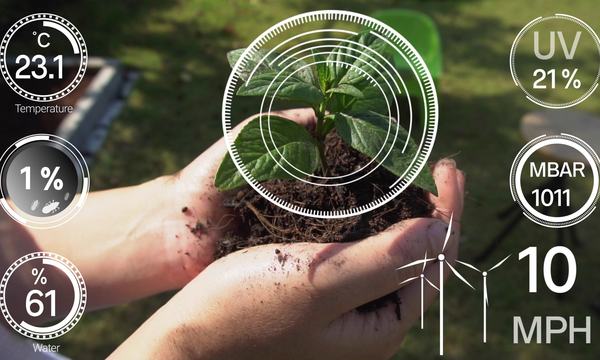
Smart Agriculture
Smart Agriculture is the set of tools and strategies that allow the farm to use advanced information and telecommunication technologies (ICT) in agriculture in a synergistic and interconnected manner, with the aim of making production more efficient and sustainable. Technologies such as:
- Internet of Things (IoT)
- Sensors and actuators
- Geographic positioning systems (GPS)
- Artificial Intelligence (AI)
- Big Data
- Unmanned aerial vehicles (UAVs, drones)
- Ground robot
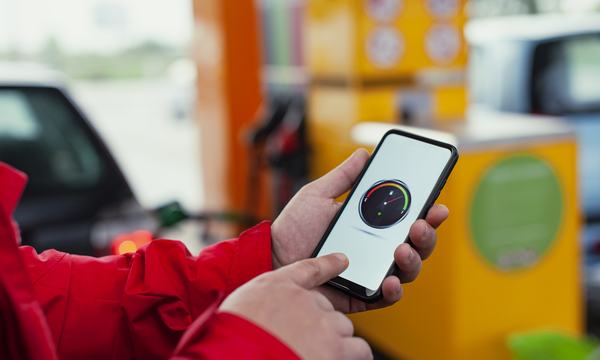
Smart Metering (Gas + Water + Electric metering)
Smart metering is one of the key steps to developing citywide smart grid systems. These smart metering systems address utility consumption tracking and forecasting challenges for electricity, gas and water. By providing real-time usage data, smart meters allow utility providers to optimize distribution and empower consumers to make smarter usage decisions.
Smart metering provides a way for businesses to keep track of how much energy they’re using so they can adjust their usage if necessary. In addition to measuring usage, smart meters record a variety of data points on consumption, including when a resource is being used, how much is being used at a time, and where it’s being directed. An internet or wireless connection relays the data to a console, where a business owner or administrator can see how that data breaks down.
Many electric, gas, water and other utility companies have embraced smart metering to track usage across their customer bases to better determine costs and infrastructure needs. Smart metering can give both utility providers and customers better ideas of how usage affects costs, and help business owners determine new energy-efficient strategies to save money.
Smart Parking
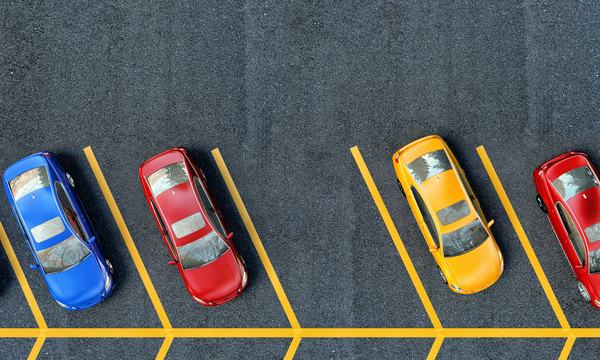
With the rise of connected devices, IoT-based smart parking systems are becoming more and more popular. These parking systems empower drivers with advanced information about available parking slots and other useful data like current prices and availability rates.
The smart parking system also allows drivers to use the space remotely via their smartphones, which is convenient if drivers prefer not to walk to find a space or avoid potential traffic congestion.
An IoT based smart parking system, also known as a connected parking system, is a centralized management system that allows drivers to use a smartphone app to search for and reserve a parking spot.

Smart Lighting
The concept of Smart Lighting refers to all those Smart lighting systems that are able to operate in a more flexible, customisable and efficient manner than traditional wired and manual systems.
These are a series of technological solutions such as bulbs, switches and other devices that can create usage scenarios according to a specific context, or that can be controlled remotely at any time. This results in a more efficient and scalable lighting system that can be adapted to the needs of the environment in which it is installed, as well as lowering energy consumption and the environmental impact associated with it.
When smart lighting integrates with the IoT, all interconnected devices can be controlled remotely. This means that lights can be switched on, off or programmed to come on even when you are not physically present in the room, but not only that, you can manage their intensity, colour and set more energy-efficient lighting scenarios.

Smart Cities
A smart city is a place where traditional networks and services are made more efficient with the use of digital solutions for the benefit of its inhabitants and business.
A smart city goes beyond the use of digital technologies for better resource use and less emissions. It means smarter urban transport networks, upgraded water supply and waste disposal facilities and more efficient ways to light and heat buildings. It also means a more interactive and responsive city administration, safer public spaces and meeting the needs of an ageing population.
Smart Mobility & Smart Car
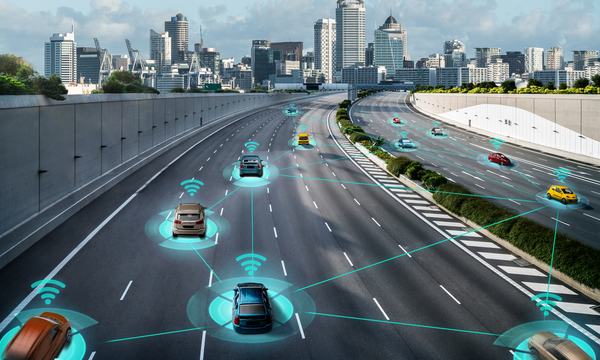
Smart mobility integrates all modes of transportation and infrastructure: cars, including rideshares, autonomous vehicles, and semi-autonomous vehicles; bike-shares; traffic signals; buildings; parking spaces; emergency vehicles and people; and it utilizes sensors, software and data platforms to streamline all of these elements into one coherent system.
Smart mobility is the ultimate practical example of the Internet of Things (IoT) in which all modes of transportation and user interfaces are able to talk amongst themselves via a network of wireless communications. This enables citizens to make the best choices for transportation while increasing safety, minimizing commute time, decreasing the negative effects of congestion, and maximizing productivity.