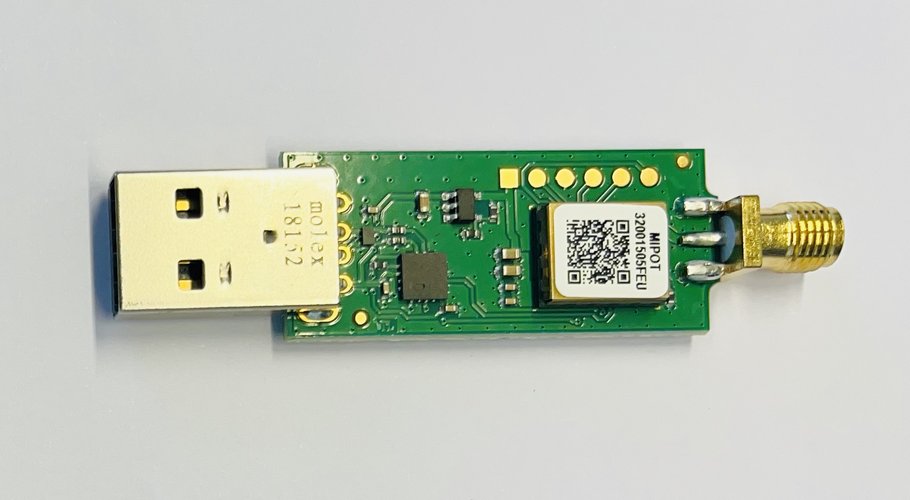
USB Dongle
32001588FEU
The 32001588xEU is a family of USB dongles developed to test the functionality and radio parameters of the wireless protocol modules MiP 32001505xEU family. The latter mounts transceivers operating in the 868 MHz SRD Band optimized for very long range, low power applications, suitable for LPWA networks. Based on LoRa® RF Technology and LoRaWAN™ protocol, it provides ultra-long range spread spectrum communication and high interference immunity. Using the (G)FSK modem, it allows to easily add wM-Bus connectivity for utility meters.

Multiple Stacks available:
wM-Bus (32001588AEU)
LoRaWAN™ specifications 1.0.4 (32001588BEU)
LoRa Mipot (32001588CEU)
LoRa Modem (32001588DEU)
LoRa Multistack (32001588FEU)
32001588xEU Datasheet rev0.0
USB dongle Communication Interface
User Guide - How to Join with "The Things Network"
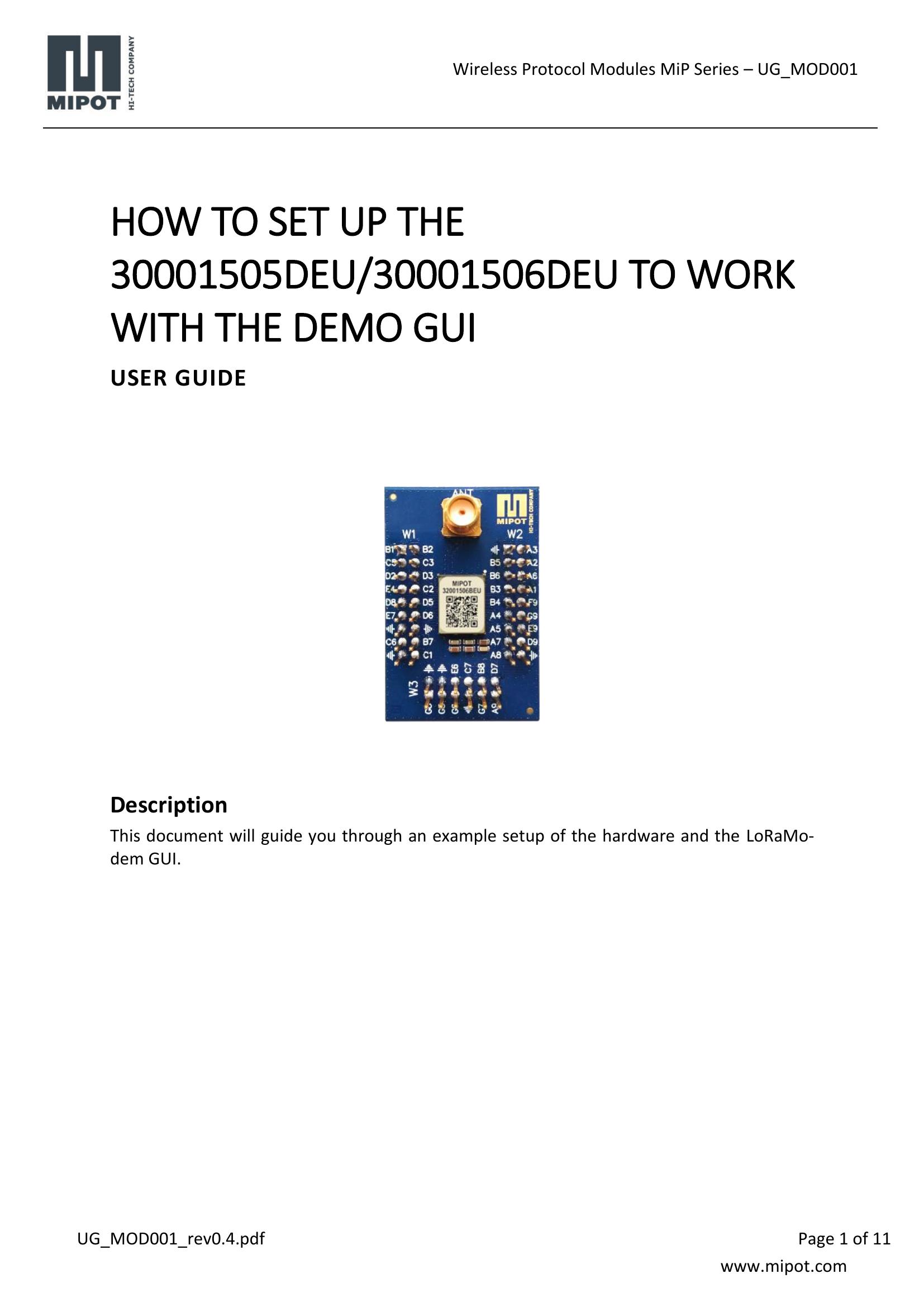
User Guide - How to set up the 3000150xDxx to work with the demo GUI
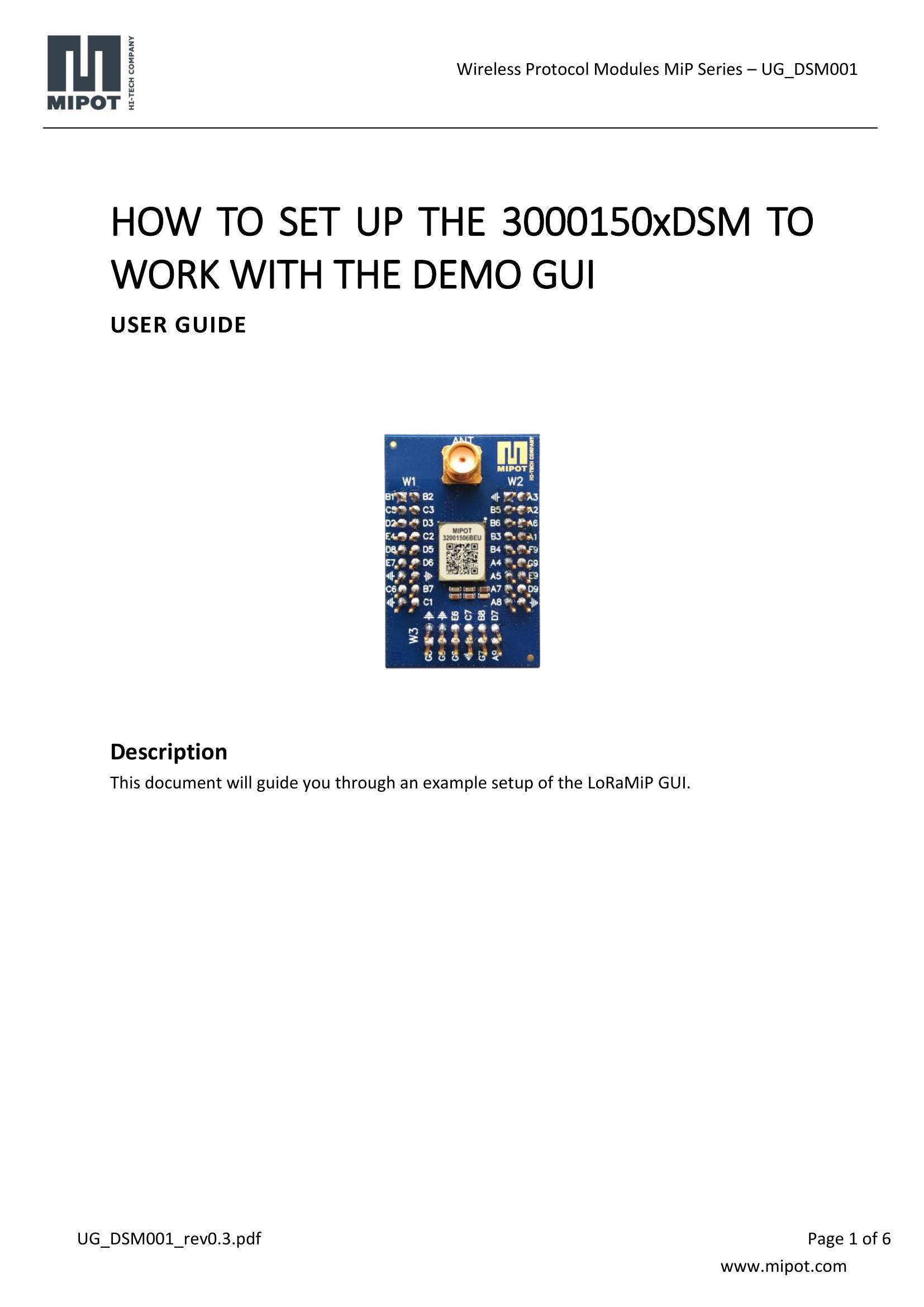
User Guide - How to set up the 3000150xDSM to work with the demo GUI
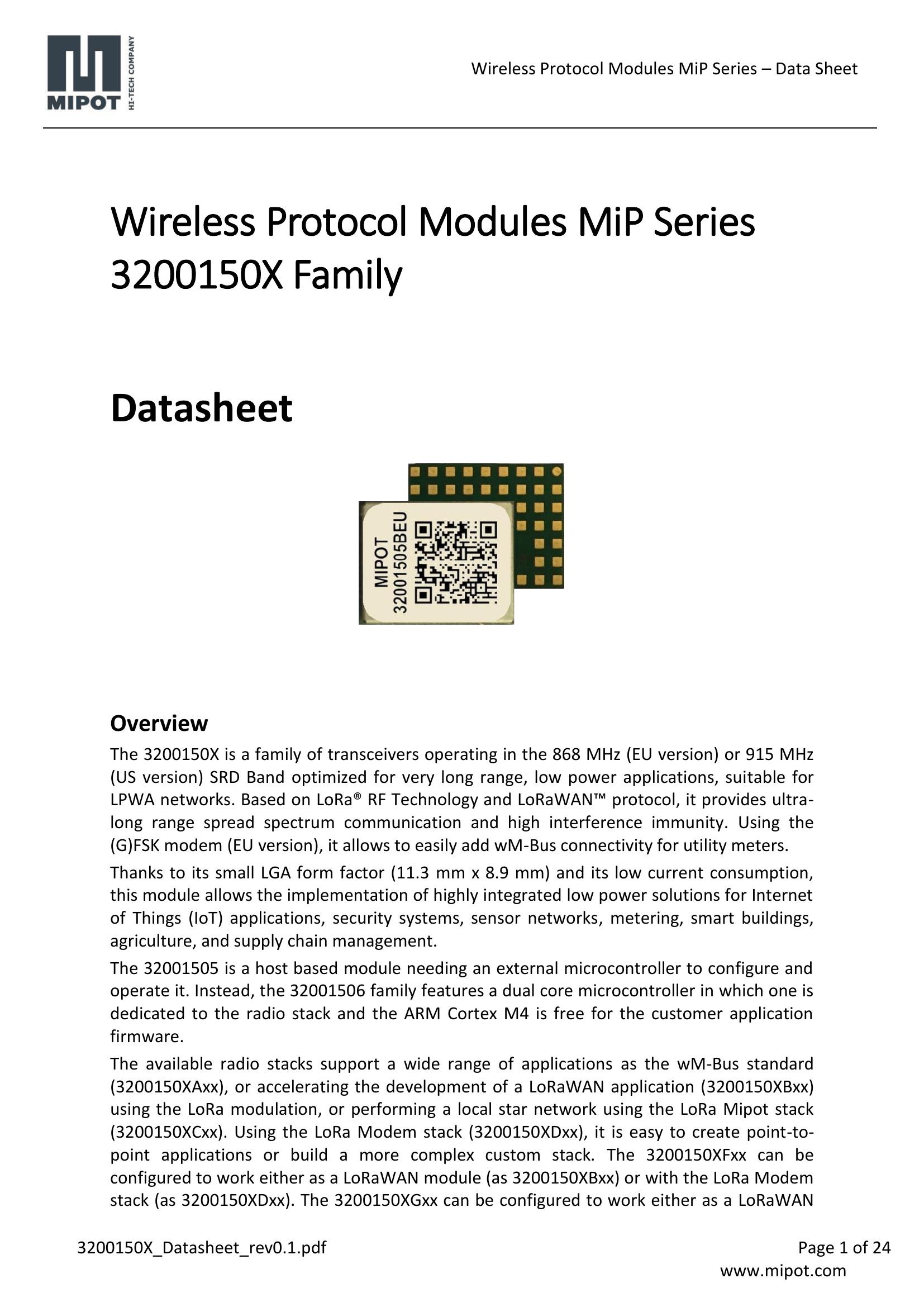
3200150X Datasheet
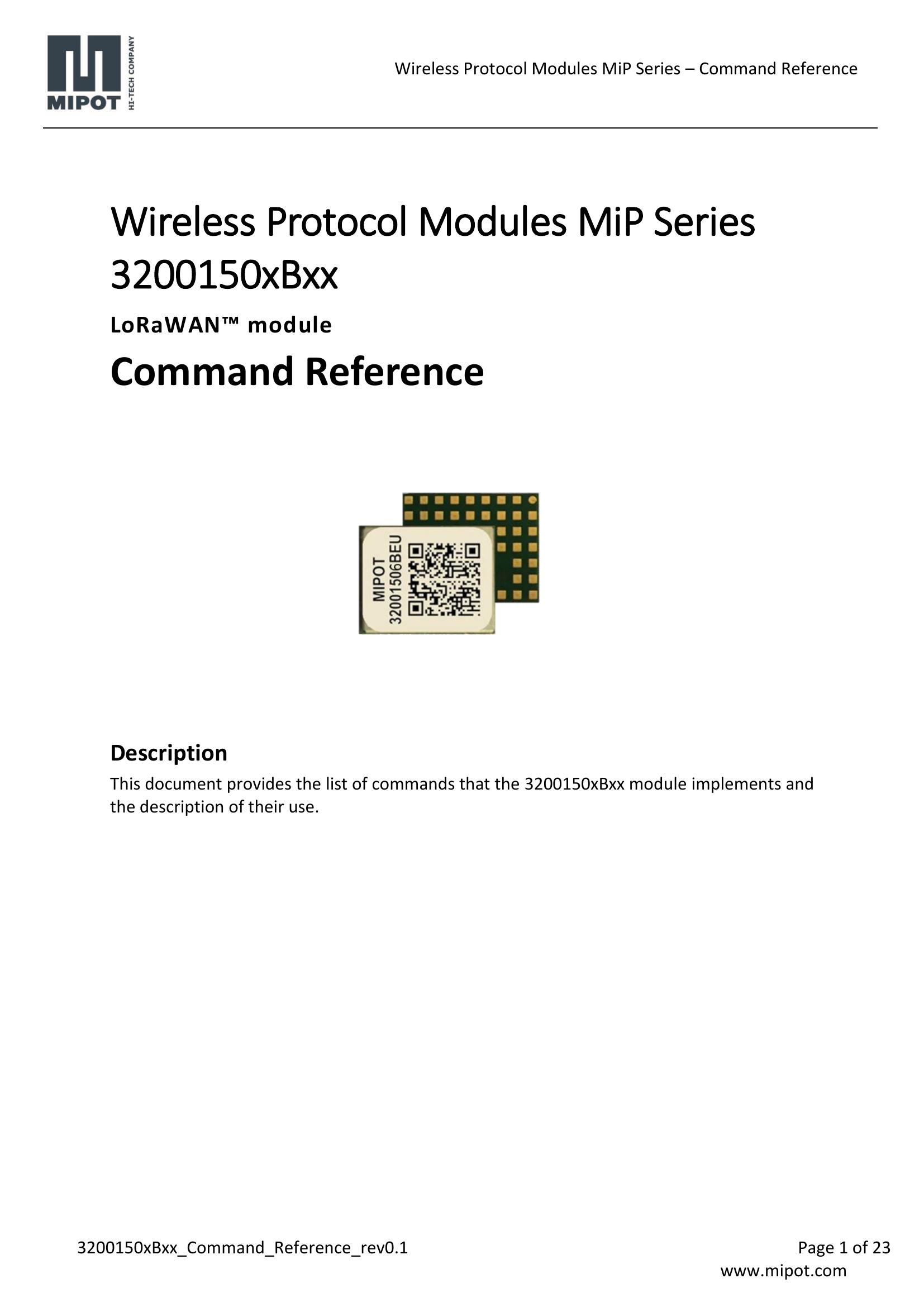
3200150xBxx Command Reference
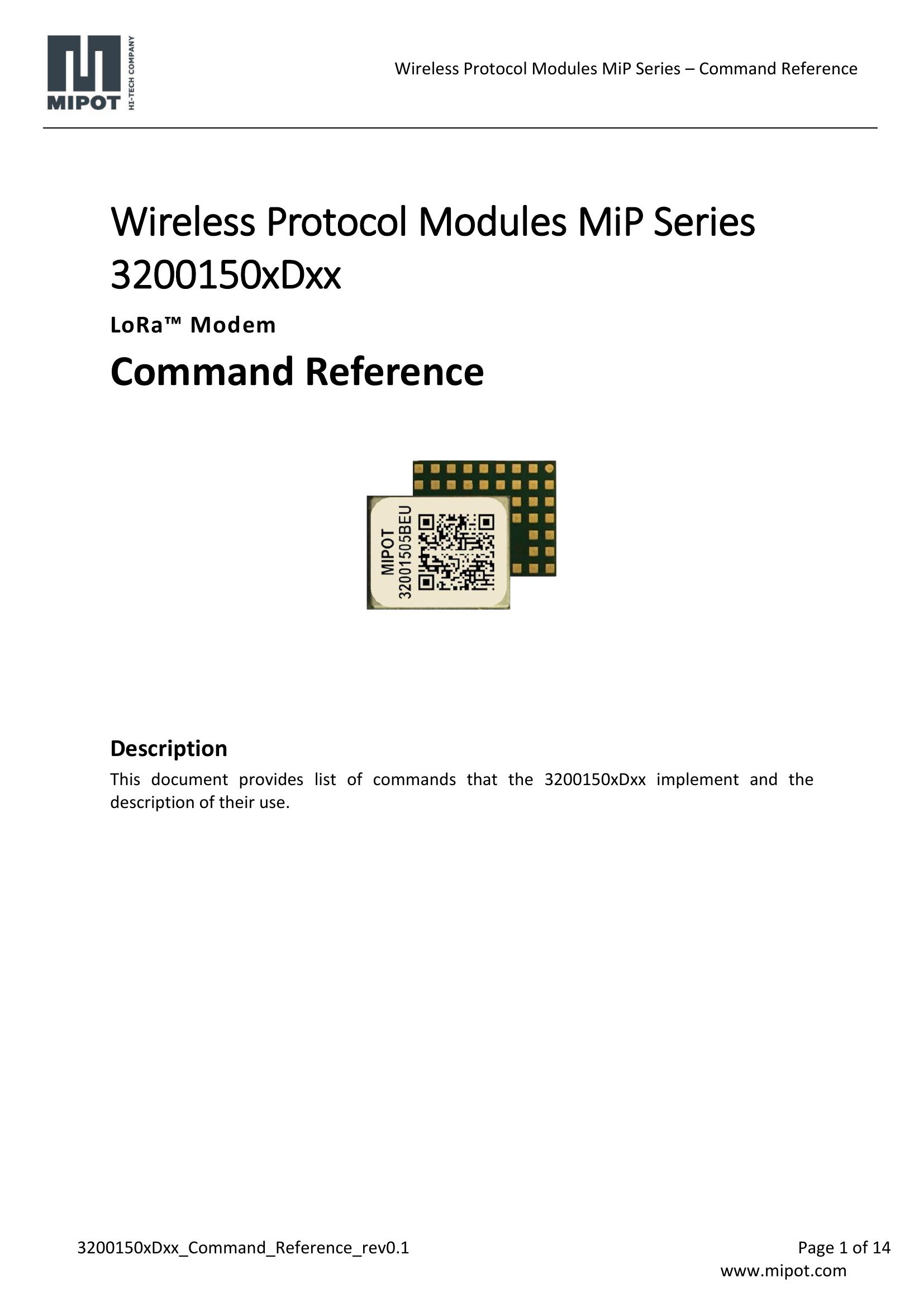
3200150xDxx Command Reference
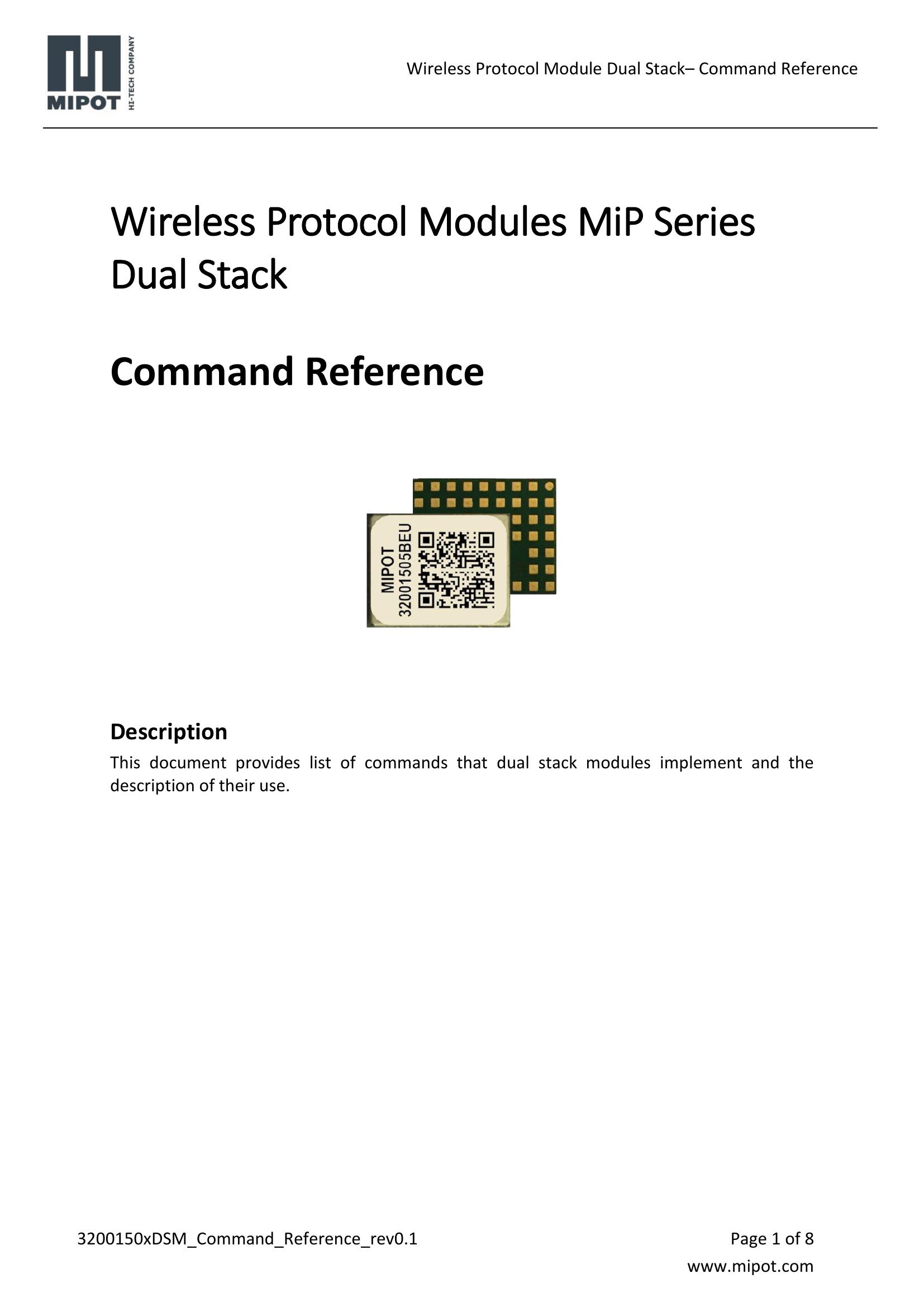
3200150xDSM Command Reference
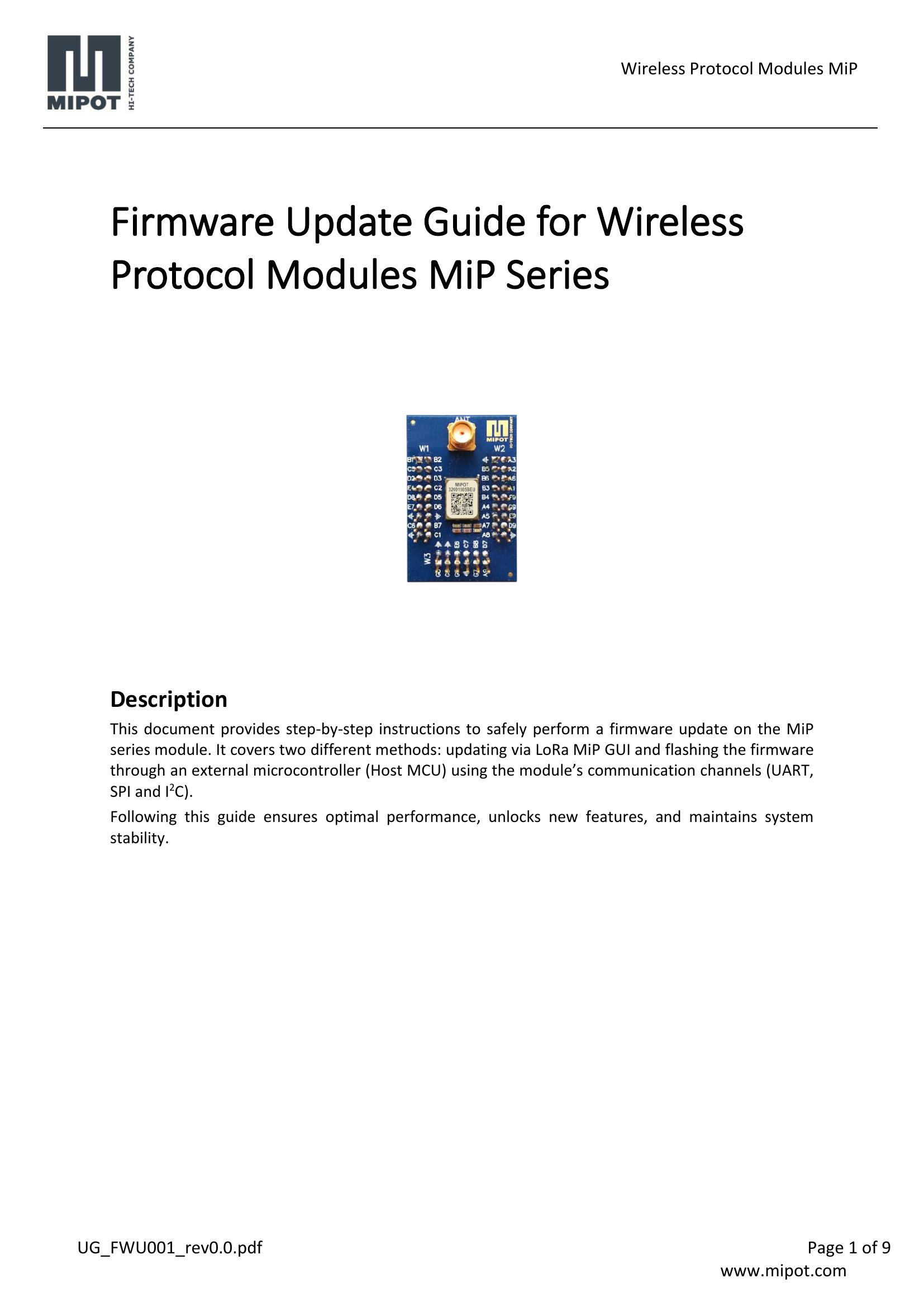
User Guide - Firmware Update for Wireless Protocol Modules
GUI LoRaMiP-2.1.24-net10.0-x64
GUI LoRaMiP-2.1.24-net10.0-x86
Applications
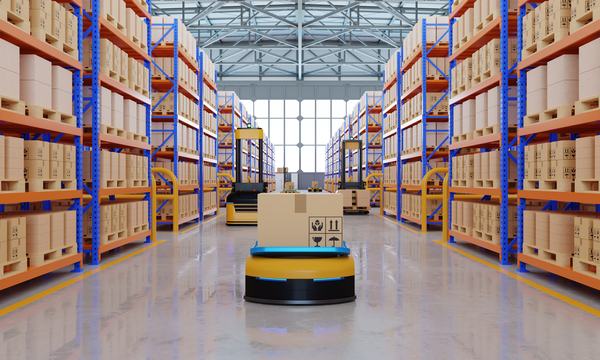
Smart Logitics
Smart logistics is the process of adopting new technologies in all operations carried out inside and outside the warehouse, from the receipt of goods at the loading docks to their distribution and delivery to the end customer as per the agreed upon conditions. In other words, this concept involves the implementation of smart devices to automate logistics operations.
Smart logistics aims to increase process control, optimize warehouse throughput, and minimize operating costs in the facility through the use of interconnected devices (IoT) and the collection of all the data produced in it.
Analysis of these data provides logistics managers with comprehensive information on what is happening in the warehouse before making a decision.

Smart Waste Management System
Smart waste management focuses on solving the solid waste management problems using sensors, intelligent monitoring systems, and mobile applications. The first smart waste management solution to make the waste collection process more efficient is sensors. Sensors can measure the fill level of the containers and provide updated information at any time and notify waste management services to empty them when they are full or almost full. These devices help optimize the best possible route containing fully filled containers and create smart schedules for drivers. The selection of the containers also minimizes the need for trash collection staff because their duties are deduced. They can also alert the waste management companies or municipalities if an undesirable incident happens such as sudden temperature rise or displacement of the container by their GPS feature
IoT solutions for solid waset management problems offer municipalities data intelligence and real-time insights. In that regard, the fill patterns of specific containers can be identified by historical data and managed accordingly in the long term. In addition to hardware solutions, mobile applications are used to overcome the challenges in the regular waste management system, such as keeping track of the drivers while they are operating on the field.
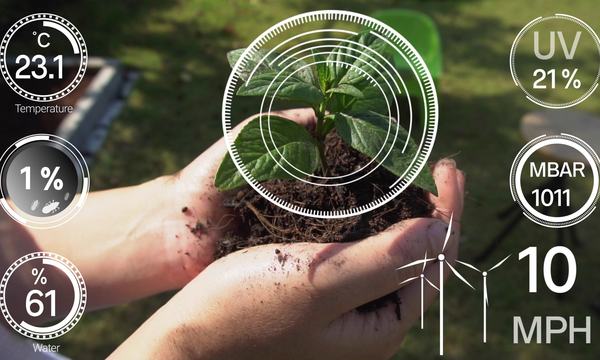
Smart Agriculture
Smart Agriculture is the set of tools and strategies that allow the farm to use advanced information and telecommunication technologies (ICT) in agriculture in a synergistic and interconnected manner, with the aim of making production more efficient and sustainable. Technologies such as:
- Internet of Things (IoT)
- Sensors and actuators
- Geographic positioning systems (GPS)
- Artificial Intelligence (AI)
- Big Data
- Unmanned aerial vehicles (UAVs, drones)
- Ground robot

Smart Parking
With the rise of connected devices, IoT-based smart parking systems are becoming more and more popular. These parking systems empower drivers with advanced information about available parking slots and other useful data like current prices and availability rates.
The smart parking system also allows drivers to use the space remotely via their smartphones, which is convenient if drivers prefer not to walk to find a space or avoid potential traffic congestion.
An IoT based smart parking system, also known as a connected parking system, is a centralized management system that allows drivers to use a smartphone app to search for and reserve a parking spot.

Smart Lighting
The concept of Smart Lighting refers to all those Smart lighting systems that are able to operate in a more flexible, customisable and efficient manner than traditional wired and manual systems.
These are a series of technological solutions such as bulbs, switches and other devices that can create usage scenarios according to a specific context, or that can be controlled remotely at any time. This results in a more efficient and scalable lighting system that can be adapted to the needs of the environment in which it is installed, as well as lowering energy consumption and the environmental impact associated with it.
When smart lighting integrates with the IoT, all interconnected devices can be controlled remotely. This means that lights can be switched on, off or programmed to come on even when you are not physically present in the room, but not only that, you can manage their intensity, colour and set more energy-efficient lighting scenarios.

Smart Cities
A smart city is a place where traditional networks and services are made more efficient with the use of digital solutions for the benefit of its inhabitants and business.
A smart city goes beyond the use of digital technologies for better resource use and less emissions. It means smarter urban transport networks, upgraded water supply and waste disposal facilities and more efficient ways to light and heat buildings. It also means a more interactive and responsive city administration, safer public spaces and meeting the needs of an ageing population.