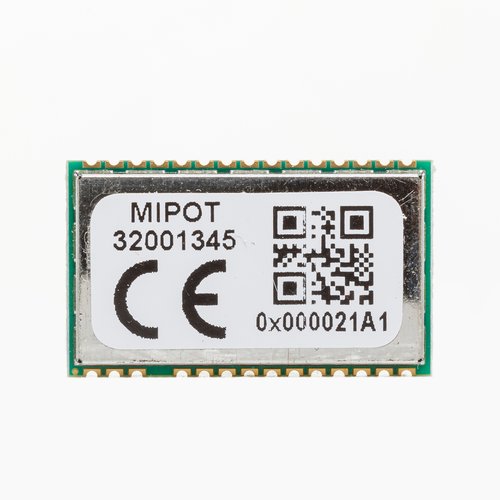
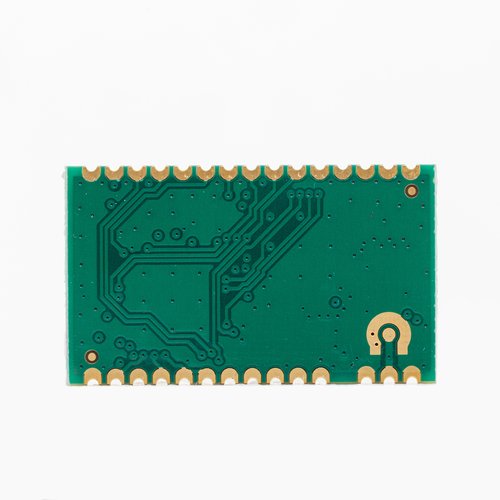
Protocol Based Transceivers
32001345
The 32001345 is a LoraTM technology-based transceiver operating in the 868 MHz SRD band, optimized for ultra-long range, low consumption applications, suitable for low power networks.
Highlights
- Frequency: 868 MHz
- Modulation: LoRa
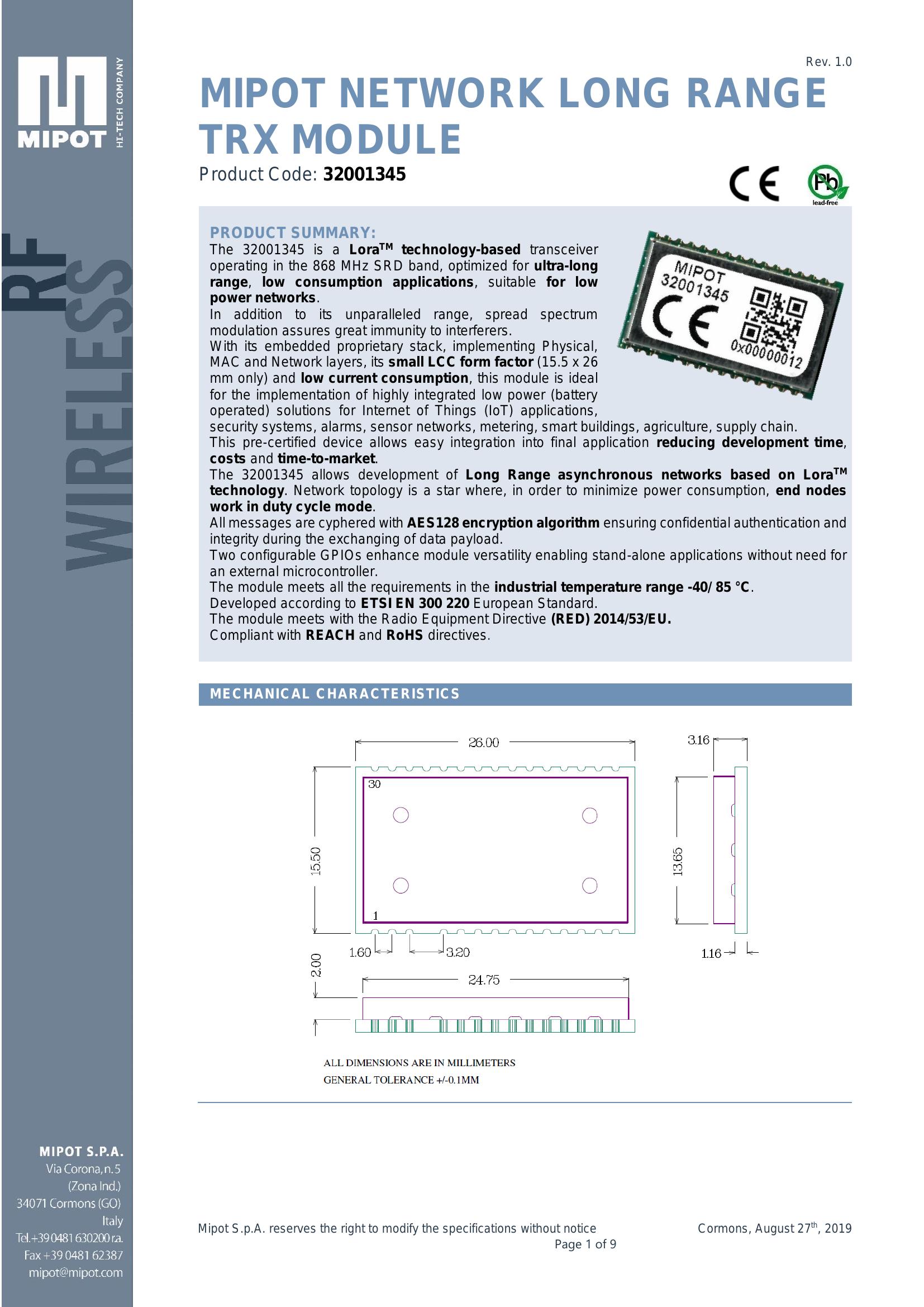
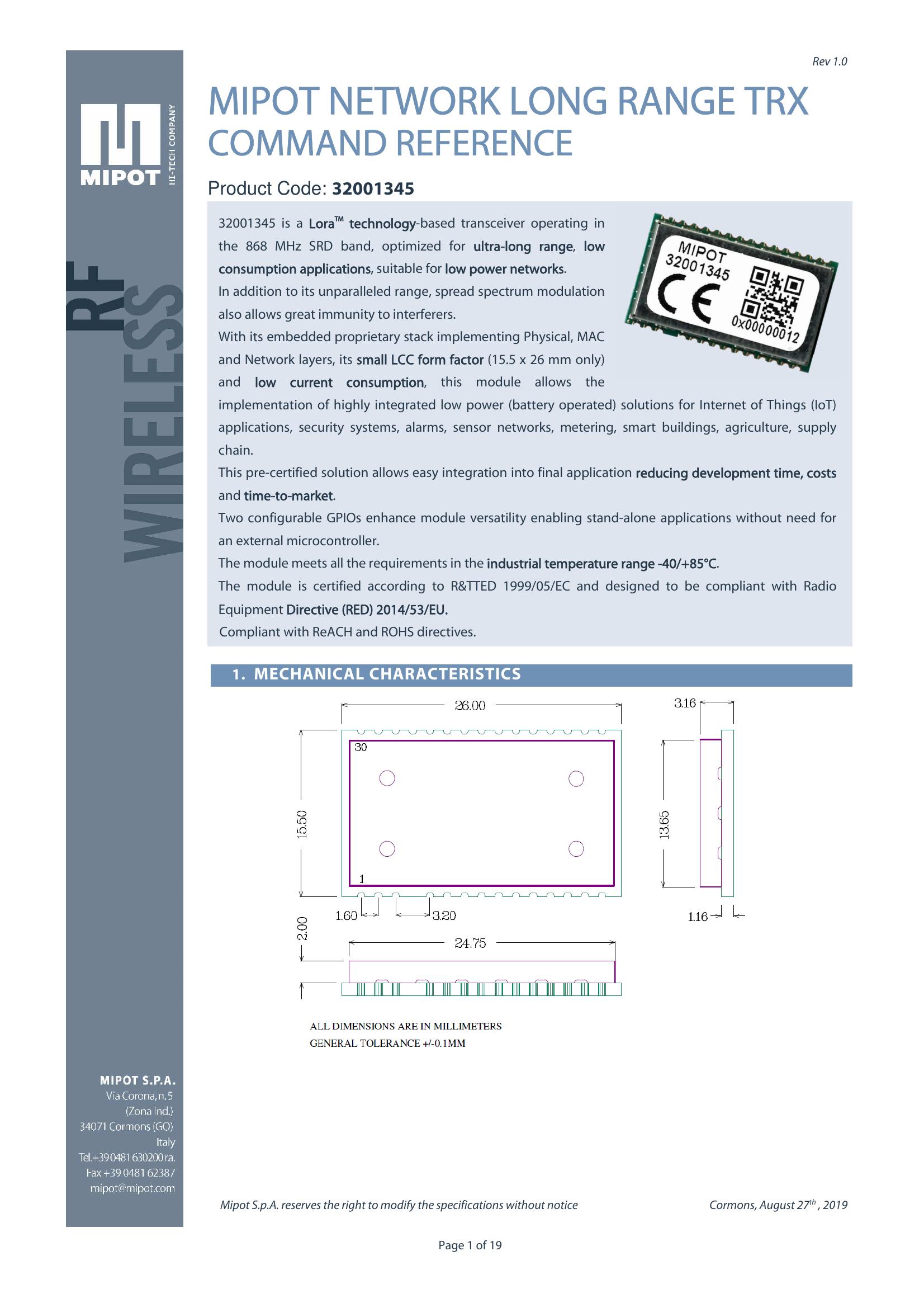
- Dimensions: 26 x 15,5 x 3,16 mm
- Countries: Europe
- Protocols: LoRa Mipot
- Certifications: CE
- Temperature: -40/+85°C

PRODUCT SUMMARY:
The 32001345 is a LoraTM technology-based transceiver operating in the 868 MHz SRD band, optimized for ultra-long range, low consumption applications, suitable for low power networks.
In addition to its unparalleled range, spread spectrum modulation assures great immunity to interferers. With its embedded proprietary stack, implementing Physical, MAC and Network layers, its small LCC form factor (15.5 x 26 mm only) and low current consumption, this module is ideal for the implementation of highly integrated low power (battery operated) solutions for Internet of Things (IoT) applications, security systems, alarms, sensor networks, metering, smart buildings, agriculture, supply chain. This pre-certified device allows easy integration into final application reducing development time, costs and time-to-market.
The 32001345 allows development of Long Range asynchronous networks based on LoraTM technology.
Network topology is a star where, in order to minimize power consumption, end nodes work in duty cycle mode.
All messages are cyphered with AES128 encryption algorithm ensuring confidential authentication and integrity during the exchanging of data payload. Two configurable GPIOs enhance module versatility enabling stand-alone applications without need for an external microcontroller.
The module meets all the requirements in the industrial temperature range -40/ 85 °C. Developed according to ETSI EN 300 220 European Standard.
The module meets with the Radio Equipment Directive (RED) 2014/53/EU. Compliant with REACH and RoHS directives.
Applications
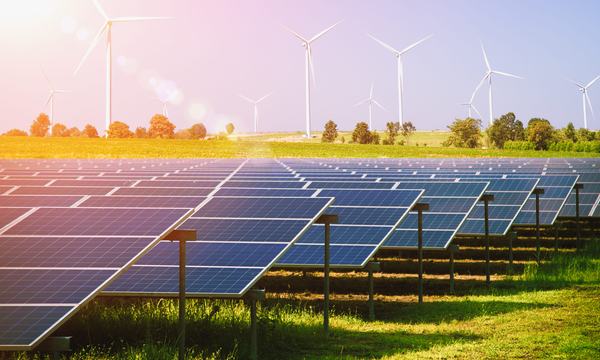
Smart Renewable Energy System
A smart energy management system (SEMS) enables the effective utilization of available energy resources and thus results in energy-efficient operation of a smart grid
Smart grid technology is enabling the effective management and distribution of renewable energy sources such as solar, wind, and hydrogen.
The smart grid connects a variety of distributed energy resource assets to the power grid.
By leveraging the Internet of Things (IoT) to collect data on the smart grid, utilities are able to quickly detect and resolve service issues through continuous self-assessments. Because utilities no longer have to depend on customers to report outages, this self-healing capability is vital component of the smart grid.
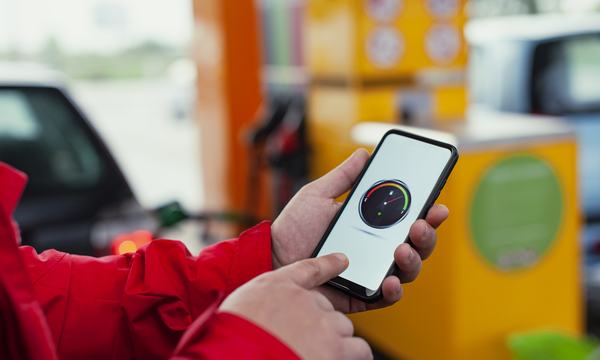
Smart Metering (Gas + Water + Electric metering)
Smart metering is one of the key steps to developing citywide smart grid systems. These smart metering systems address utility consumption tracking and forecasting challenges for electricity, gas and water. By providing real-time usage data, smart meters allow utility providers to optimize distribution and empower consumers to make smarter usage decisions.
Smart metering provides a way for businesses to keep track of how much energy they’re using so they can adjust their usage if necessary. In addition to measuring usage, smart meters record a variety of data points on consumption, including when a resource is being used, how much is being used at a time, and where it’s being directed. An internet or wireless connection relays the data to a console, where a business owner or administrator can see how that data breaks down.
Many electric, gas, water and other utility companies have embraced smart metering to track usage across their customer bases to better determine costs and infrastructure needs. Smart metering can give both utility providers and customers better ideas of how usage affects costs, and help business owners determine new energy-efficient strategies to save money.

Building Management (Smart Building - Home Automation - Smart Home)
Smart cities aren’t just a concept or a dream of the future. Thanks to the wildly innovative Internet of Things (IoT) solutions, many are already active and expanding rapidly. Municipal governments are leveraging cellular and Low Power Wide Area (LPWAN) wireless technologies to connect and improve infrastructure, efficiency, convenience, and quality of life for residents and visitors alike.
Communities can improve energy distribution, streamline trash collection, decrease traffic congestion, and improve air quality with help from the IoT.
- Smart Infrastructure
- Air Quality Management
- Traffic Management
- Smart Parking
- Smart Waste Management
The first building block of any smart city application is reliable, pervasive wireless connectivity.
While there’s no one-size-fits-all, evolving Low Power Wide Area Network (LPWAN) technologies are well suited to most smart city applications for their cost efficiency and ubiquity.
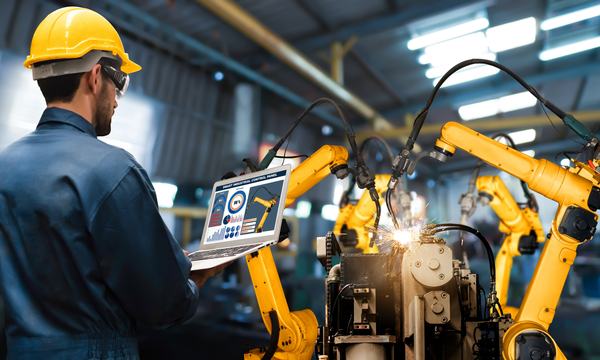
IIoT (Industrial Internet of Things)
The Industrial Internet of Things, also known by the acronym I-IoT, literally represents the application of the Internet of Things (IoT) in the industrial world. It is therefore an evolution of the concept of the Internet of Things which closely concerns industrial processes and aims to make them more efficient and secure.
More technically, by Industrial Internet of Things we mean that evolutionary path of the Internet through which every physical object acquires its counterpart in the digital world. At the basis of the IoT (and therefore of the I-IoT) there are intelligent objects (i.e. capable of identification, localization, state diagnosis, data acquisition, processing, implementation and communication) and intelligent networks (open, standard and multifunctional) .
IoT applications in the industrial world are also known with the expression "Industrial Internet" or, with a broader and more recent meaning, included under the paradigm of "Cyber-Physical Systems".
Applications of the Industrial Internet of Things
The application areas of the Industrial IoT also deserve a dutiful focus:
- Smart Factory: production progress control, occupational safety, maintenance, material handling, quality control, waste management;
- Smart Logistics: traceability / monitoring of the supply chain via RFId tags (Radio-Frequency Identification) and sensors, monitoring of the cold chain, security management in complex logistics hubs, fleet management (e.g. via GPS / GPRS);
- Smart Lifecycle: improvement of the new product development process (e.g. through data from previous versions of connected products), end of life management, supplier management in the new product development phase.

Smart Parking
With the rise of connected devices, IoT-based smart parking systems are becoming more and more popular. These parking systems empower drivers with advanced information about available parking slots and other useful data like current prices and availability rates.
The smart parking system also allows drivers to use the space remotely via their smartphones, which is convenient if drivers prefer not to walk to find a space or avoid potential traffic congestion.
An IoT based smart parking system, also known as a connected parking system, is a centralized management system that allows drivers to use a smartphone app to search for and reserve a parking spot.
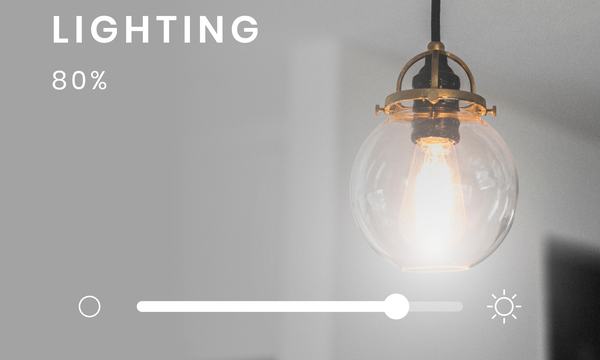
Smart Lighting
The concept of Smart Lighting refers to all those Smart lighting systems that are able to operate in a more flexible, customisable and efficient manner than traditional wired and manual systems.
These are a series of technological solutions such as bulbs, switches and other devices that can create usage scenarios according to a specific context, or that can be controlled remotely at any time. This results in a more efficient and scalable lighting system that can be adapted to the needs of the environment in which it is installed, as well as lowering energy consumption and the environmental impact associated with it.
When smart lighting integrates with the IoT, all interconnected devices can be controlled remotely. This means that lights can be switched on, off or programmed to come on even when you are not physically present in the room, but not only that, you can manage their intensity, colour and set more energy-efficient lighting scenarios.