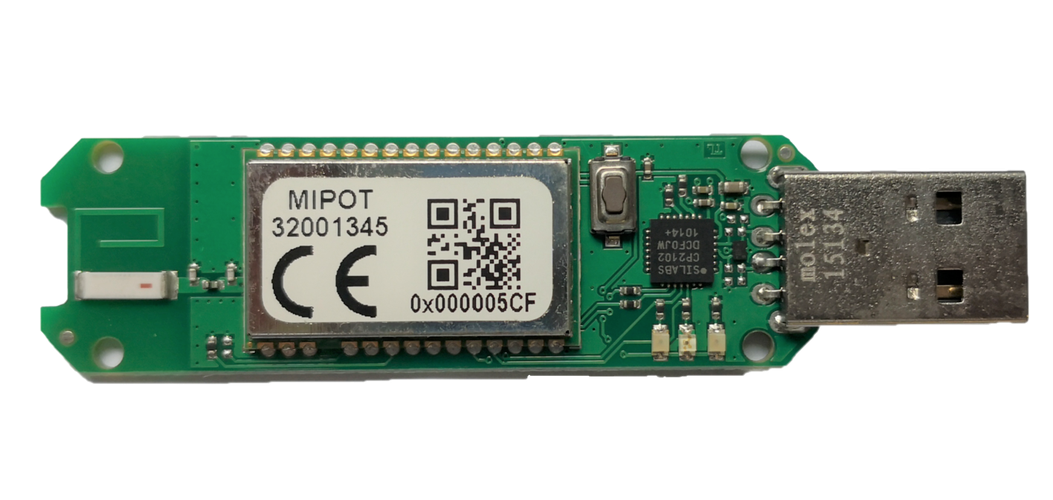
USB Dongle
32001388
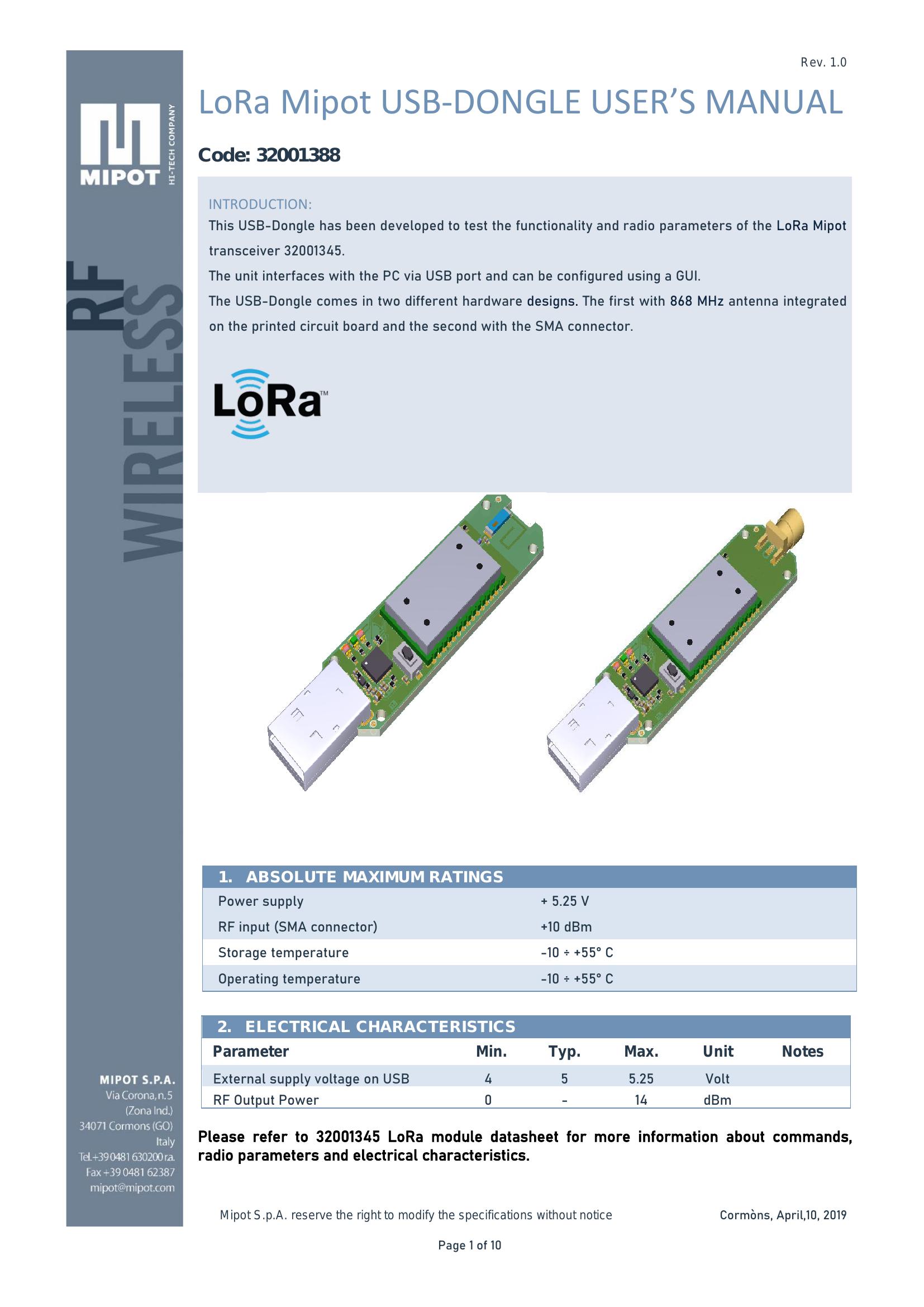
This USB-Dongle has been developed to test the functionality and radio parameters of the LoRa Mipot transceiver 32001345.
Highlights
- Frequency: 868 MHz
- Countries: Europe
- Protocols: LoRa Mipot
- Type: USB DRIVE

Overview
The unit interfaces with the PC via USB port and can be configured using a GUI.
The USB-Dongle comes in two different hardware designsdesigns.
The first with 868 MHz antenna integrated on the printed circuit board and the second with the SMA connector for external antenna.
Applications
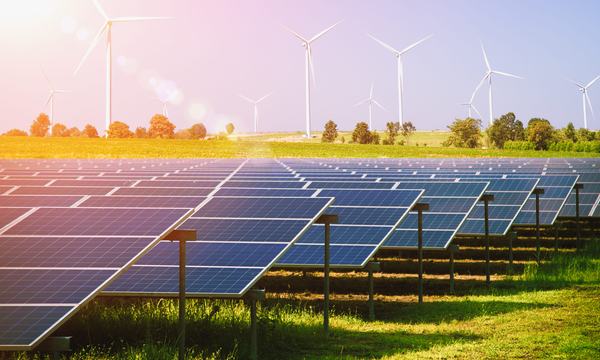
Smart Renewable Energy System
A smart energy management system (SEMS) enables the effective utilization of available energy resources and thus results in energy-efficient operation of a smart grid
Smart grid technology is enabling the effective management and distribution of renewable energy sources such as solar, wind, and hydrogen.
The smart grid connects a variety of distributed energy resource assets to the power grid.
By leveraging the Internet of Things (IoT) to collect data on the smart grid, utilities are able to quickly detect and resolve service issues through continuous self-assessments. Because utilities no longer have to depend on customers to report outages, this self-healing capability is vital component of the smart grid.
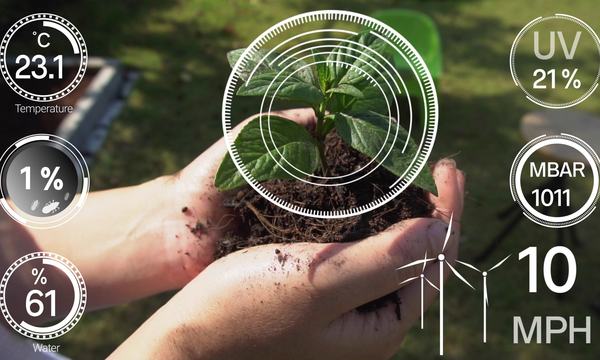
Smart Agriculture
Smart Agriculture is the set of tools and strategies that allow the farm to use advanced information and telecommunication technologies (ICT) in agriculture in a synergistic and interconnected manner, with the aim of making production more efficient and sustainable. Technologies such as:
- Internet of Things (IoT)
- Sensors and actuators
- Geographic positioning systems (GPS)
- Artificial Intelligence (AI)
- Big Data
- Unmanned aerial vehicles (UAVs, drones)
- Ground robot
Smart Metering (Gas + Water + Electric metering)
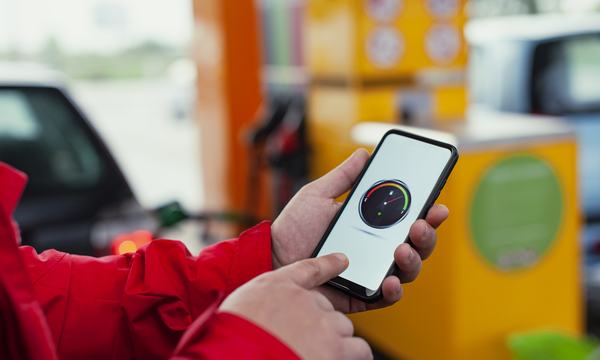
Smart metering is one of the key steps to developing citywide smart grid systems. These smart metering systems address utility consumption tracking and forecasting challenges for electricity, gas and water. By providing real-time usage data, smart meters allow utility providers to optimize distribution and empower consumers to make smarter usage decisions.
Smart metering provides a way for businesses to keep track of how much energy they’re using so they can adjust their usage if necessary. In addition to measuring usage, smart meters record a variety of data points on consumption, including when a resource is being used, how much is being used at a time, and where it’s being directed. An internet or wireless connection relays the data to a console, where a business owner or administrator can see how that data breaks down.
Many electric, gas, water and other utility companies have embraced smart metering to track usage across their customer bases to better determine costs and infrastructure needs. Smart metering can give both utility providers and customers better ideas of how usage affects costs, and help business owners determine new energy-efficient strategies to save money.

Building Management (Smart Building - Home Automation - Smart Home)
Smart cities aren’t just a concept or a dream of the future. Thanks to the wildly innovative Internet of Things (IoT) solutions, many are already active and expanding rapidly. Municipal governments are leveraging cellular and Low Power Wide Area (LPWAN) wireless technologies to connect and improve infrastructure, efficiency, convenience, and quality of life for residents and visitors alike.
Communities can improve energy distribution, streamline trash collection, decrease traffic congestion, and improve air quality with help from the IoT.
- Smart Infrastructure
- Air Quality Management
- Traffic Management
- Smart Parking
- Smart Waste Management
The first building block of any smart city application is reliable, pervasive wireless connectivity.
While there’s no one-size-fits-all, evolving Low Power Wide Area Network (LPWAN) technologies are well suited to most smart city applications for their cost efficiency and ubiquity.
Smart Parking
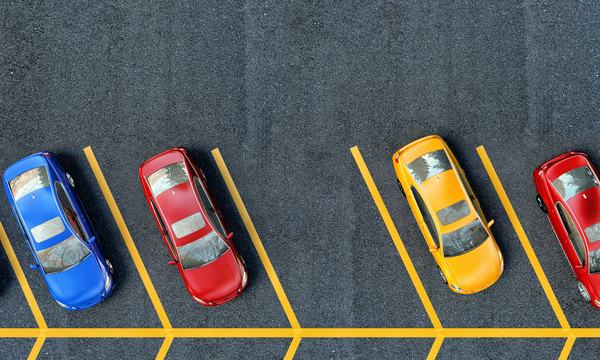
With the rise of connected devices, IoT-based smart parking systems are becoming more and more popular. These parking systems empower drivers with advanced information about available parking slots and other useful data like current prices and availability rates.
The smart parking system also allows drivers to use the space remotely via their smartphones, which is convenient if drivers prefer not to walk to find a space or avoid potential traffic congestion.
An IoT based smart parking system, also known as a connected parking system, is a centralized management system that allows drivers to use a smartphone app to search for and reserve a parking spot.

Smart Lighting
The concept of Smart Lighting refers to all those Smart lighting systems that are able to operate in a more flexible, customisable and efficient manner than traditional wired and manual systems.
These are a series of technological solutions such as bulbs, switches and other devices that can create usage scenarios according to a specific context, or that can be controlled remotely at any time. This results in a more efficient and scalable lighting system that can be adapted to the needs of the environment in which it is installed, as well as lowering energy consumption and the environmental impact associated with it.
When smart lighting integrates with the IoT, all interconnected devices can be controlled remotely. This means that lights can be switched on, off or programmed to come on even when you are not physically present in the room, but not only that, you can manage their intensity, colour and set more energy-efficient lighting scenarios.
Smart Cities
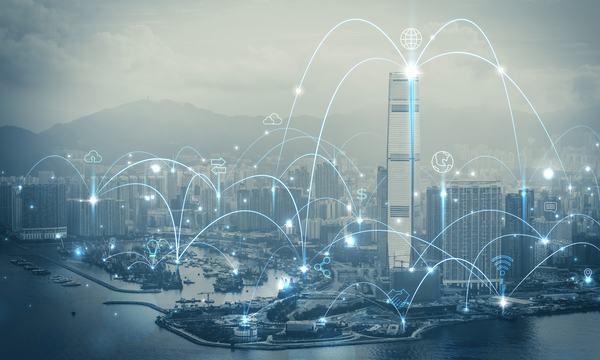
A smart city is a place where traditional networks and services are made more efficient with the use of digital solutions for the benefit of its inhabitants and business.
A smart city goes beyond the use of digital technologies for better resource use and less emissions. It means smarter urban transport networks, upgraded water supply and waste disposal facilities and more efficient ways to light and heat buildings. It also means a more interactive and responsive city administration, safer public spaces and meeting the needs of an ageing population.